Aqua Painted Agate: A Designer’s Honest Review for Real Embroidery Projects
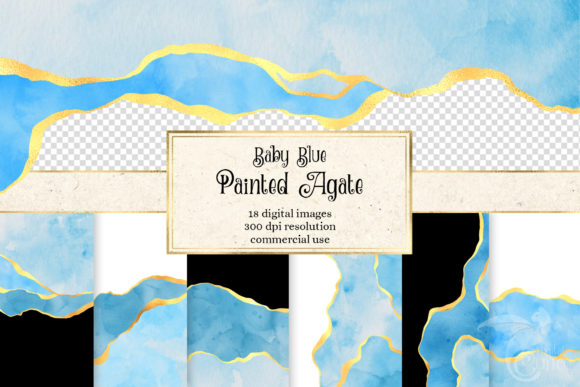
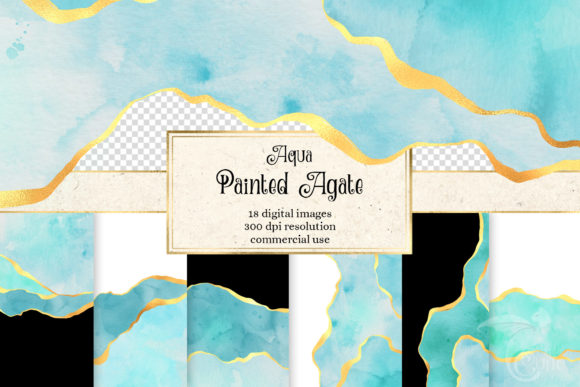
When I first opened the Aqua Painted Agate embroidery file, I was struck by its soft, flowing textures and the way the colors blended like watercolor on canvas. This isn’t just another digital embroidery file—it’s a mood, a statement, and potentially a strong asset for a variety of handmade and commercial embroidery projects.
First Impressions: Mood, Theme, and Design Personality
Aqua Painted Agate has a calming, organic feel that instantly makes me think of coastal decor, spa branding, or a baby nursery theme. The design mimics the natural striations of agate stones but with a fluid, painted edge that gives it a modern, artistic twist. The layout isn’t overly geometric or structured—it flows, which is great for adding visual interest without being too busy.
The detail level is moderate—enough to catch the eye up close, but not so dense that it becomes overwhelming on smaller items. It feels like a design that could work equally well in a boutique setting or a personalized gift shop. If you're an Etsy seller or small shop owner, this could be the kind of design that elevates your product from “just embroidered” to “artistically finished.”
Real-World Use: How Aqua Painted Agate Performs in Projects
I decided to test Aqua Painted Agate on a few different real-life embroidery projects to see how it held up. First, I stitched it onto a medium-weight tote bag. The result was stunning—soft aqua tones blended beautifully with the natural canvas, and the texture of the design gave the tote a hand-painted look that’s perfect for boutique merchandise or artisanal branding.
Next, I tried it on a sweatshirt. The texture of the fabric helped soften the edges of the design, which worked in its favor. It didn’t look flat or printed—it looked like a custom, high-end embellishment. This would be a great option for a small business owner looking to offer personalized sweatshirts with a unique touch.
I also tested it on a baby onesie. The key here was using the right stabilizer and hoop size to avoid puckering. The design held up well, though I’d recommend it for slightly older infants or toddlers, as the subtle color shifts might not stand out as much on a very small scale.
Where to Use Aqua Painted Agate with Care
Like any design, Aqua Painted Agate has its limitations. I noticed that on stretchy fabric like jersey knit, the satin-stitched edges lost some of their crispness. It still looked good, but for a more polished finish, I’d suggest using it on stable, non-stretchy materials.
Dark fabrics also require some attention. The aqua tones are delicate, and while they can pop against black or navy with the right underlay, they may need thread color adjustments or even a white backing to maintain clarity.
I wouldn’t recommend Aqua Painted Agate for curved surfaces like baseball caps unless you’re experienced with cap frames and adjusting tension. The subtle gradients can distort easily on a curved hoop, which could affect the overall visual appeal.
Also, if you’re planning to use it for embroidered patches or printable mockups, test the design at different sizes. It loses some of its texture when scaled down too small, especially in corners or intricate edges.
Impact on Product Value and Customer Appeal
One of the biggest pluses of Aqua Painted Agate is how it enhances the perceived value of a finished product. Whether it’s on a pillow cover or a custom tote, it gives off a handcrafted, artistic vibe that customers tend to associate with quality and care.
For Etsy sellers and craft entrepreneurs, this kind of design can help differentiate your brand. It’s not just another floral or monogram—it’s a textured, visual story that can be marketed as a signature piece. That translates to better buyer engagement and higher perceived professionalism.
If you're using Aqua Painted Agate in a commercial embroidery setting, be sure to test it across different product lines. I found it worked well in both casual and upscale contexts, making it versatile for a range of clients—from boutique owners to wedding gift sellers.
Before using Aqua Painted Agate in any project, here are a few practical steps I recommend:
- Test on scrap fabric first: —especially if you're unsure about how the colors or texture will translate.
- Check thread color contrast: —if you're switching from the original design colors, ensure the new palette still supports the mood and clarity.
- Review stitch density: —especially if you're embroidering on delicate or stretchy fabric.
- Confirm hoop size compatibility: —make sure the design fits within your machine’s hoop without distortion.
- Inspect small details: —if you’re scaling down, some of the finer textures might get lost.
- Test in black and white mockups: —this helps visualize how the design will look in different color contexts.
- Compare light and dark fabric backgrounds: —some aqua tones may not show up well on dark fabric without adjustments.
- Use the right stabilizer: —especially for textured or stretchy materials.
- Confirm licensing: —if you're selling finished products or digital embroidery files, always check the usage rights.
Final Thoughts: A Strong Addition to Your Design Assets
Aqua Painted Agate is more than a pretty texture—it’s a design that tells a story and adds a unique visual layer to any embroidery project. For embroidery designers, small business owners, and Etsy sellers, it’s worth exploring for its ability to elevate a simple item into something memorable.
Whether you're using it for a personalized gift, custom apparel, or a commercial embroidery project, Aqua Painted Agate brings both aesthetic and practical value. Just be mindful of fabric type, scale, and color contrast to get the most out of this beautiful machine embroidery design.