Boho Deer & Flowers: A Designer’s Real-World Embroidery Review
First Impressions: Rustic Charm Meets Modern Craft
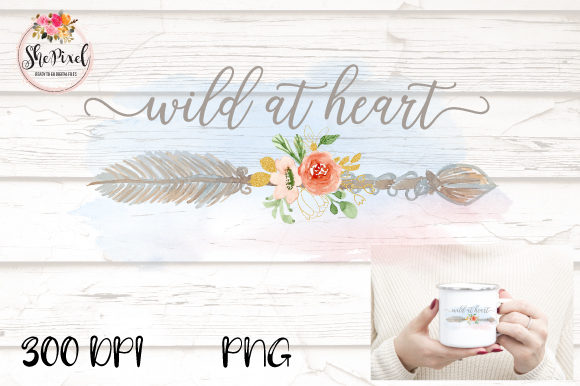
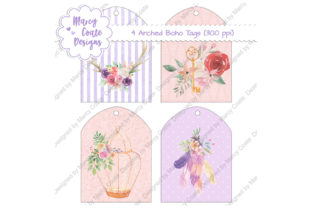
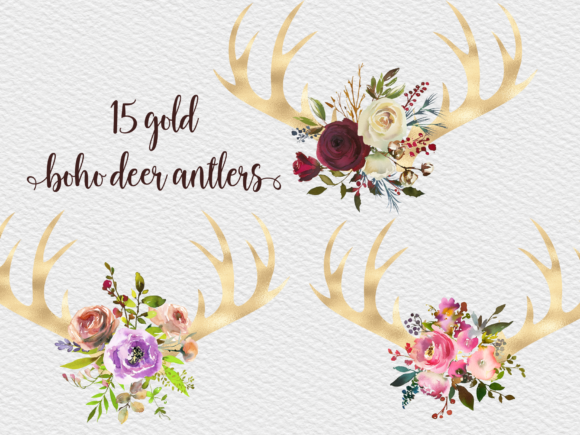
The moment I opened the preview for the Boho Deer and Flowers, Horns, Antlers design, I felt a strong sense of earthy elegance. It's a perfect blend of rustic and modern, with a flowing layout that feels organic and expressive. The deer is stylized, not overly detailed, which gives it a whimsical, almost mythical quality. The floral elements wrap around the antlers gracefully, creating a sense of movement and softness. It’s the kind of design that feels like it belongs on a handmade tote, a boutique sweatshirt, or a custom nursery pillow.
Visual Personality: What Kind of Project Does It Fit?
This embroidery design has a distinctly handcrafted vibe. It leans into the current trend of nature-inspired, bohemian motifs, but without feeling overused or generic. The balance between the central deer figure and the floral accents makes it versatile enough for both gender-neutral and feminine projects. I could easily see this stitched onto a linen tea towel for a rustic kitchen decor line or embroidered on a denim jacket for a personalized gift that feels both artistic and wearable.
For small shop owners or Etsy sellers, this design could be a great signature piece—especially if your brand leans into nature, animals, or minimalist boho aesthetics. It works well as a standalone design or as a featured element in a larger composition.
Real-World Use: How Does It Hold Up?
I tested the Boho Deer and Flowers, Horns, Antlers design on a few different fabric types to get a sense of how it would perform in actual embroidery work. I started with a medium-weight cotton canvas for a tote bag. The design stitched cleanly, with clear lines and smooth transitions between satin and fill stitches. The floral details were delicate but readable, and the deer’s antlers had a nice crisp edge without pulling or distortion.
Next, I tried it on a stretchy cotton-blend sweatshirt fabric. This is where I noticed the importance of using a quality stabilizer. Without it, the fine lines in the antlers began to pucker slightly. Once I added a lightweight tear-away stabilizer, the results improved dramatically. The overall density of the design is moderate, so it doesn’t add too much stiffness to the fabric, which is a big plus for apparel use.
For baby items, I considered stitching it on a cotton onesie. The size of the design (roughly 4x5 inches in my test hoop) worked well for a subtle, meaningful detail without overwhelming the garment. The soft curves and gentle lines made it feel appropriate for a unisex baby gift, especially in muted thread colors like sage green or dusty rose.
Where to Be Cautious: Fabric, Placement, and Detail
While the Boho Deer and Flowers, Horns, Antlers design is beautiful, it does have some elements that require attention. The fine antler lines and small floral accents may not stitch cleanly on textured or thick fabrics like burlap or felt. I’d recommend skipping those unless you’re willing to simplify or resize the design manually.
Dark fabrics also present a challenge. The light floral outlines can get lost on black or navy backgrounds, especially if the thread color isn’t carefully chosen. I’d suggest using a slightly contrasting thread or adding a small outline in a darker shade to keep the details from disappearing.
Curved surfaces like baseball caps are another area to approach carefully. The deer’s posture and the spread-out layout of the design make it less ideal for curved caps unless you can digitally adjust the layout to fit the cap’s contour. If you're planning to use this on a patch, however, it’s a perfect fit—especially if you’re selling embroidered patches for jackets or bags.
Stitching Clarity and Thread Choices
Thread selection plays a big role in how this design reads after stitching. I tested it with both standard polyester and metallic threads. The metallic added a nice flair to the antlers, giving them a subtle shimmer that elevated the overall look. But I’d only recommend that for special projects like holiday gifts or wedding favors, not for everyday wearables.
For most applications, sticking with standard thread colors in earthy tones—like browns, greens, and creams—really brings out the organic feel of the design. I found that using two to three shades within the floral elements helped add depth without complicating the stitch-out too much.
Commercial Use and Licensing: A Designer’s Note
If you're an Etsy seller, craft business owner, or digital product creator, always check the licensing terms before using the Boho Deer and Flowers, Horns, Antlers design in your finished products or digital bundles. Many embroidery files come with personal-use-only licenses, which means you can’t legally sell items made with them unless the license explicitly allows commercial use.
Assuming the license permits it, this design could be a strong asset for seasonal collections—think holiday stockings, spring tote bags, or summer caps. It also works well as a digital embroidery file in curated design packs for makers, especially those who focus on nature or woodland themes.
Final Thoughts: A Worthy Addition to Your Design Kit
Overall, the Boho Deer and Flowers, Horns, Antlers design is a solid choice for embroidery designers and small business owners looking to add a touch of nature-inspired artistry to their products. Its versatility across fabric types and project types makes it a practical pick for both personal and commercial work—provided you take care with fabric selection, stabilizer use, and thread contrast.
Before stitching it on a final product, I always recommend testing the design on scrap fabric first, especially if you're using it for a client or selling it as part of a digital product. Make sure to review the stitch density, check small details like the floral outlines, and test it in both light and dark thread colors to see how it translates across different backgrounds.
If you're building a collection of machine embroidery designs that feel both modern and timeless, this one deserves a spot in your toolkit.