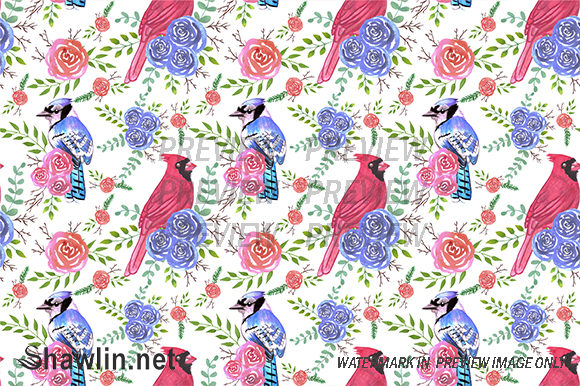
Cardinals and Bluejays Roses: A Designer's Review
As someone who has spent years navigating the intersection of digital design and physical stitching, I approach every new machine embroidery design with a mix of excitement and skepticism. The market is flooded with generic patterns, so finding a piece that truly elevates a project requires a critical eye. When I first opened the file for Cardinals and Bluejays Roses, I wasn't just looking at pixels; I was visualizing thread tension, fabric drape, and the final emotional impact on a customer. This review breaks down how this specific design performs in real-world scenarios, from boutique apparel to personalized gifts.
The Visual Mood and Composition
The immediate impression of Cardinals and Bluejays Roses is one of balanced vibrancy. The juxtaposition of the cardinal's bold red against the bluejay's cool azure creates a natural focal point that draws the eye immediately. However, what sets this apart from standard bird motifs is the integration of the roses. They aren't merely background filler; they act as a framing element that softens the sharpness of the birds' beaks and talons. For an Etsy seller or a small shop owner, this balance is crucial. It offers enough detail to feel premium without becoming so dense that it risks puckering on lighter fabrics.
In terms of layout, the design feels organic rather than rigid. The flow of the petals and the posture of the birds suggest movement, which translates beautifully into a finished product. Whether you are planning a tote bag design or a decorative pillow cover, the composition holds its own even when viewed from a distance. This scalability is a significant advantage for anyone creating digital product previews or printable mockups to showcase their work online before a single stitch is pulled.
Real-World Application: From Concept to Stitch
To truly understand the value of Cardinals and Bluejays Roses, let's walk through a practical scenario. Imagine you are preparing a line of holiday gifts for your craft business. You decide to use this pattern on heavyweight cotton sweatshirts. The sweatshirt embroidery process demands a design that can withstand the texture of fleece or French terry without losing definition. In this context, the rose elements provide excellent coverage, allowing you to use a slightly denser fill stitch to anchor the design, while the birds utilize crisp satin stitch outlines that pop against the fabric grain.
I also envision this pattern working exceptionally well on embroidered patches. The distinct color separation between the red and blue makes it ideal for flocked backing or felt interlining. If you are a maker specializing in custom apparel, this design could serve as a statement piece on the back of a denim jacket or a subtle chest logo on a canvas apron. The versatility extends to baby embroidery as well, provided the scale is adjusted appropriately. Softening the edges of the roses and ensuring no loose threads remain makes it a safe and charming option for nursery decor or onesies.
For those running a craft business focused on home goods, consider the potential for kitchen towels or table runners. The floral and avian theme fits perfectly with spring and summer collections. The key here is selecting the right thread colors. While the default palette is likely vibrant, offering variations—perhaps a muted sage green for the leaves or a dusty pink for the roses—can help you target different aesthetic niches within your small shop product lineup.
Navigating Fabric Challenges and Technical Nuances
While Cardinals and Bluejays Roses is robust, it is not immune to the common pitfalls of machine embroidery. One area requiring careful attention is the choice of fabric. On very thin or stretchy materials, such as jersey knit or chiffon, the density of the rose fill stitches could cause significant puckering. To mitigate this, you must use a high-quality stabilizer and potentially reduce the stitch count if your software allows. Always test the design on scrap fabric first to ensure the tension settings are optimized for your specific material.
Another consideration is the hoop size. Although the design appears compact, the intricate details of the bird feathers and petal layers demand precision. Attempting to stitch this on a curved surface like a cap might result in distortion unless you use a specialized cap frame and adjust the design accordingly. Similarly, on dark fabrics, the white or light-colored highlights in the eyes and flower centers will stand out, but you may need to increase the underlay to prevent the dark fabric from showing through the top stitches.
If you are planning to use this for commercial embroidery, pay close attention to the stitch density in the overlapping areas where the birds meet the roses. High density in these zones can lead to thread breakage or difficulty removing the stabilizer later. Inspecting small details before committing to a full production run is essential. Check whether the design works for both personal and commercial projects by reviewing the licensing terms associated with the embroidery file.
Maximizing Value and Customer Trust
Using a well-crafted design like Cardinals and Bluejays Roses directly impacts the perceived value of your handmade products. Customers buying personalized gifts or unique handmade products expect professional results. A clean, well-executed stitch job signals quality and care, fostering trust in your brand. Conversely, a poorly adapted design can detract from even the most expensive materials.
When marketing these items, the visual appeal of the design plays a major role in buyer engagement. High-resolution photos of the finished product should highlight the texture of the thread and the clarity of the details. Using printable mockups during the design phase helps you visualize how the colors will interact with different backgrounds, ensuring consistency across your catalog. Whether you are selling digital embroidery files or physical goods, maintaining a consistent aesthetic builds brand recognition.
Finally, remember that the success of any embroidery project lies in preparation. Before launching a collection based on Cardinals and Bluejays Roses, confirm that you have the rights to sell finished items if you are using a licensed pattern. Test the design in black and white mockups to check contrast, compare light and dark fabric backgrounds, and ensure the running stitch outlines are smooth. By taking these practical steps, you transform a simple Patterns download into a cornerstone of your creative entrepreneurship.