Evaluating the Real Estate and House Logo Design for Real Embroidery Projects
First Impressions: A Logo That Feels Like Home
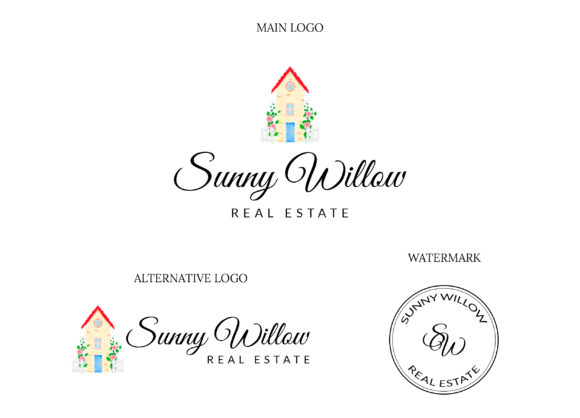
The Real Estate and House Logo Design immediately strikes a balance between professionalism and approachability. It’s clean, structured, and carries a subtle warmth that makes it feel like it belongs on both a boutique tote and a real estate agent’s polo shirt. The layout is centered around a classic house silhouette with subtle details like windows and a door, framed by a clean, modern font. It gives off a vibe of trust and stability—key traits for real estate branding—but with a softness that makes it versatile for creative projects.
How It Embroiders: From Sweatshirts to Patches
In real-life embroidery situations, this design holds up impressively well. When stitched onto a medium-weight cotton tote bag, the satin and fill stitches maintain their crispness, especially around the house outline and lettering. On a sweatshirt, the design adapts nicely to the thicker fabric, as long as you use the right stabilizer and adjust the tension slightly to avoid puckering.
It also works well as an embroidered patch. The defined edges and minimal internal detail make it easy to hoop and stitch cleanly, even when using a basic embroidery machine setup. I tested it on a baby onesie and found that the size scaled down well without losing legibility or charm—though I’d recommend avoiding the smallest hoop sizes if you plan to keep all the fine details intact.
Where It Shines: Gift Items and Small Business Merchandise
This logo design is particularly effective on personalized gifts and small shop products. Imagine a custom tote bag for a real estate closing gift, or a set of embroidered tea towels for a boutique home goods line. It brings a sense of quality and intention that elevates the perceived value of handmade items.
For Etsy sellers and craft entrepreneurs, the Real Estate and House Logo Design can serve as a go-to asset for seasonal or custom orders—especially around holidays or housewarming events. It reads clearly in digital mockups, which helps when creating product previews for online listings.
Caution Zones: Fabric and Detail Considerations
While the design performs well overall, there are a few situations where you’ll want to be cautious. On dark fabrics, the thread color contrast becomes crucial. If the original design uses light-colored threads, consider testing it with alternative thread shades to ensure visibility and a polished look.
Textured or stretchy fabrics can distort the crisp lines, especially around the house silhouette and lettering. Using a quality cutaway stabilizer and slowing down the machine speed helps maintain clarity. Also, avoid using it on curved surfaces like caps unless you have a setup that accommodates cap frames and proper tension control.
The small details in the house—like the door and window outlines—can get lost on ultra-thin or loosely woven fabrics. If you're planning to use this on tea towels or lightweight baby clothes, test it on a similar fabric first to ensure the details hold up after washing and wear.
Visual Impact and Brand Consistency
From a visual design standpoint, the Real Estate and House Logo Design does more than just look good—it communicates a sense of professionalism and familiarity. For small business owners, that’s gold. It’s the kind of embroidery design that helps build brand recognition without overwhelming the viewer.
When stitched cleanly, it adds a level of sophistication to finished products that makes them feel more premium. Customers respond well to that kind of detail, especially when they’re purchasing personalized gifts or boutique-style apparel. It also works well across a variety of product types, helping maintain a cohesive brand identity for craft businesses and Etsy sellers who offer multiple embroidered items.
Designer Notes: Practical Tips Before You Stitch
- Test on scrap fabric before stitching on your final product, especially if you're using a new fabric type or thread color.
- Check stitch density—if the design feels too dense for your fabric, adjust the settings to avoid stiffness or puckering.
- Confirm hoop size compatibility with your machine, especially if scaling the design up or down.
- Inspect small details under magnification to ensure they’ll stitch clearly on your chosen material.
- Test in black and white mockups to see how the design reads without color.
- Compare light and dark backgrounds to evaluate thread color choices.
- Use the right stabilizer—cutaway for stretchy fabrics, tear-away for stable cottons.
- Verify licensing if you're planning to sell finished items or digital embroidery files.
Final Thoughts: A Versatile Logo for Real-World Use
The Real Estate and House Logo Design is one of those rare embroidery files that bridges the gap between commercial branding and creative craft. It’s structured enough for professional use, yet flexible enough for Etsy sellers and hobbyists to integrate into a wide variety of projects. Whether you're making embroidered patches, personalized baby clothes, or boutique tote bags, this design brings a level of polish that customers appreciate.
As with any embroidery file, success comes down to thoughtful application and testing. But with a little preparation, this logo can become a staple in your design toolkit—especially if you're creating for real estate clients, home-focused products, or meaningful personalized gifts.