Old Brushes for Illustrator: A Designer's Review
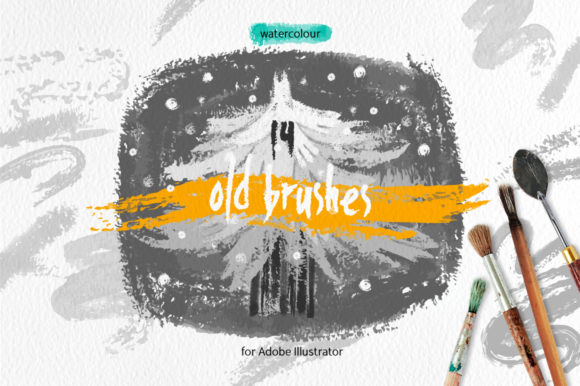
As a designer who has spent years translating digital concepts into tangible thread, I approach every new asset with a mix of excitement and skepticism. When Old Brushes for Illustrator landed in my workspace, I didn't just see a set of digital tools; I saw a potential texture library waiting to be stitched. In the world of embroidery, where every stitch counts and fabric behavior is unpredictable, the source material makes all the difference. This review explores how these vintage-style brushes translate from the screen to the hoop, specifically for those of us building brands on Etsy, running small shops, or creating custom apparel.
The Mood of Vintage Texture in Thread
The first thing that strikes you about Old Brushes for Illustrator is the inherent nostalgia they carry. These aren't clean, vector-perfect lines. They are worn, textured, and imperfect in exactly the way that handmade goods should be. When I opened the file, I immediately thought of distressed denim, faded flannel, and the kind of rustic aesthetic that sells well at craft fairs. The visual personality here screams "heritage brand." For an embroidery project, this mood is invaluable. It suggests that the finished product has history, even if it was just created yesterday.
However, translating this digital grunge into a physical machine embroidery design requires careful planning. The rough edges of the brushes mimic the natural fraying of fabric, which can be a beautiful selling point for custom apparel. But without the right execution, that same texture can look like a mistake—a missed stitch or a tangled thread rather than an intentional artistic choice. The key lies in how we manipulate the stitch density to honor the original brush strokes while ensuring the design holds up under wear and tear.
A Real-World Test: The Distressed Tote Bag
To truly understand the utility of Old Brushes for Illustrator, I imagined a specific scenario: preparing a limited run of canvas tote bags for a local boutique. The client wanted something that felt artisanal but could be produced consistently. I selected a few of the larger, more organic brush strokes to create a central logo motif. On the screen, the design looked effortless. But when I prepared the embroidery file, the reality of the medium set in.
I envisioned stitching this onto a heavy-weight cotton tote. The goal was to make the design pop against the natural beige canvas. Using fill stitch techniques, I could replicate the heavy, ink-like areas of the brushes. However, the thinner, scratchier parts of the brush required a delicate touch. If I used standard satin stitch settings, the result might have been too smooth, losing the "old" feel. Instead, I considered using a looser running stitch or a specialized texturing effect to mimic the dry-brush look. This decision directly impacts the perceived value of the finished product. A customer holding that bag would feel the texture, seeing the intention behind the design, which builds immediate trust in the brand.
Navigating Fabric Challenges and Design Limits
While Old Brushes for Illustrator offers incredible creative freedom, it also presents specific challenges that any serious craft business owner must address. Not every surface is forgiving. If you attempt to use these intricate, textured designs on thin or stretchy fabrics like jersey knit for a t-shirt, the hoop size and tension become critical. The irregular shapes of the brushes can cause puckering if the stabilizer isn't robust enough.
Furthermore, consider the placement on curved surfaces like caps or hats. The jagged edges of the brushes might not follow the curve of a cap panel smoothly, leading to registration issues where the thread colors bleed into each other visually. For personalized gifts like baby clothes, the texture needs to be soft. A design that looks cool on a rugged jacket might be too scratchy for a nursery blanket. Always test the design on scrap fabric first. Check how the fabric texture interacts with the stitches. Does the roughness of the brush stroke add character, or does it just look messy?
Enhancing Brand Value and Customer Engagement
For the Etsy seller or the owner of a handmade shop, the visual appeal of your products is your currency. Using assets like Old Brushes for Illustrator allows you to differentiate your small shop product line from the sea of generic, computer-generated logos flooding the market. When a customer sees a design that feels hand-drawn and slightly imperfect, it resonates with the desire for authenticity. It signals that this is a handmade product, not mass-produced junk.
This authenticity translates to better engagement. A printable mockup showing these brushes applied to a sweatshirt tells a story before the customer even buys. It suggests warmth, creativity, and attention to detail. Whether you are creating holiday embroidery for seasonal sales or wedding gifts for a niche market, the unique texture helps the item stand out on social media feeds. It gives the digital product sellers among us a reason to feature their work in portfolios, as the results are visually striking and distinct.
Practical Notes for Professional Application
If you decide to integrate Old Brushes for Illustrator into your workflow, keep these practical notes in mind to ensure professional results:
- Test Before You Stitch: Never skip the test run on scrap fabric. The way the thread lays down will differ significantly from the digital preview.
- Check Contrast: Ensure your thread colors provide enough contrast against the background fabric. Dark fabrics often require lighter threads to make the brush details visible.
- Review Density: High-density areas in the brushes might need to be simplified to prevent fabric distortion, especially on lightweight materials.
- Stabilizer is Key: Use a proper stabilizer suitable for the fabric type. For textured designs, a cut-away stabilizer often provides better long-term support than a tear-away.
- Licensing Check: Before selling commercial embroidery items or offering them as digital embroidery files, confirm the licensing terms. Ensure you have the right to sell finished goods or redistribute the design assets.
- Mockup Variations: Create printable mockups in both black and white and color to see how the design reads in different contexts.
Final Thoughts on Utility and Artistry
In conclusion, Old Brushes for Illustrator is more than just a graphic tool; it is a bridge between digital artistry and tactile craftsmanship. When used correctly, it elevates custom apparel, embroidered patches, and home decor items into collectible pieces. It requires a designer who understands the limitations of the machine and the beauty of the thread. By respecting the medium and testing thoroughly, you can turn these digital brushes into a signature style that defines your brand. Whether you are making a single personalized gift or launching a full collection of boutique branding merchandise, the potential for creating something truly special is immense. Just remember: the best embroidery balances the artist's vision with the realities of the needle and thread.